Dental implants
Dental implants that replace a missing tooth from the root up
An implant is a small titanium post placed in the jawbone where a tooth is missing. Over a few months the bone bonds to it, and a custom crown is fitted on top, so it looks, feels, and works like a natural tooth.
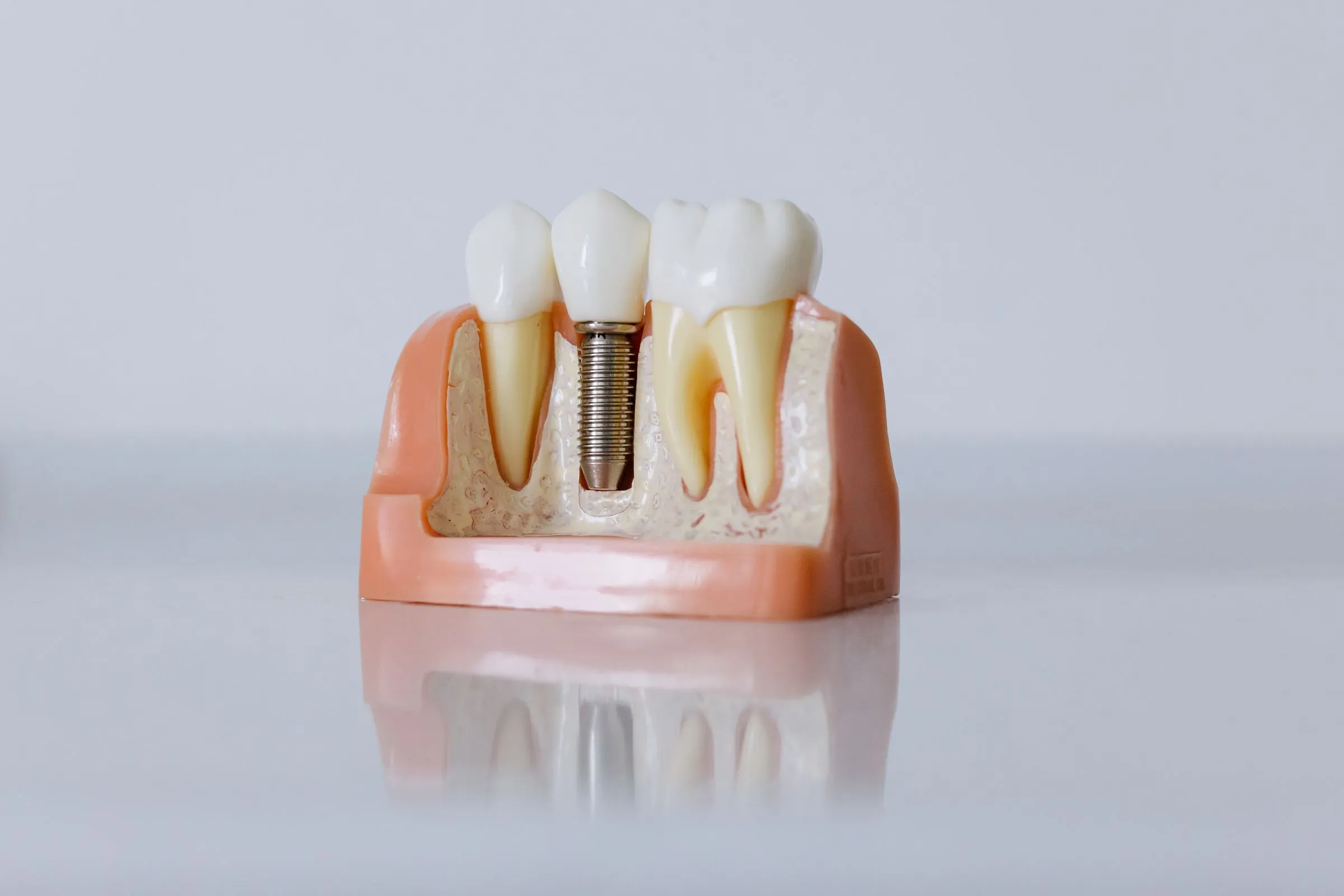
Implants may suit you if
- You’re missing one tooth, several, or wear a denture you’d like to secure
- Your gums are healthy, or can be treated first
- There’s enough bone to hold the post (we’ll check; bone grafting can sometimes help)
- You’d rather not have neighboring teeth shaped for a bridge
A written plan before anything starts
Implant treatment happens over several months, so you’ll get a written plan with every stage and its cost before you commit. There’s no pressure to decide on the day.
From consultation to crown
- 1
Consultation and scans
We examine your mouth, take X-rays or a 3D scan to check the bone, and talk through every option, including bridges and dentures, so you can compare.
- 2
Placing the implant
The post is placed under local anesthetic. Most people feel some soreness and swelling for a few days afterwards, and we’ll give you clear aftercare advice.
- 3
Healing
The bone bonds to the implant over a few months. You won’t be left with a gap in the meantime if the tooth is visible; we’ll talk through temporary options.
- 4
Your new crown
Once healed, a crown is made to match your other teeth and fixed onto the implant. Then it’s brushing, flossing, and regular checkups, as with any tooth.
Cost
What dental implants cost
Every price is confirmed with you before treatment starts. We work with [INSURANCE ACCEPTED], and offer [PAYMENT OPTIONS].
Book an appointment- Implant consultation
- [PRICE]
- Single implant with crown
- [PRICE]
Questions people ask about dental implants
Is getting an implant painful?
The implant is placed under local anesthetic, so you shouldn’t feel pain during the procedure. Afterwards there’s usually some soreness for a few days, which over-the-counter pain relief normally manages.
Am I too old for an implant?
Age on its own isn’t usually the deciding factor. Your general health, gums, and bone matter more, and we’ll check all three at your consultation.
How do I look after an implant?
Just like a natural tooth: brush twice a day, clean between your teeth, and keep up regular checkups so we can keep an eye on the gum around it.
Related treatments
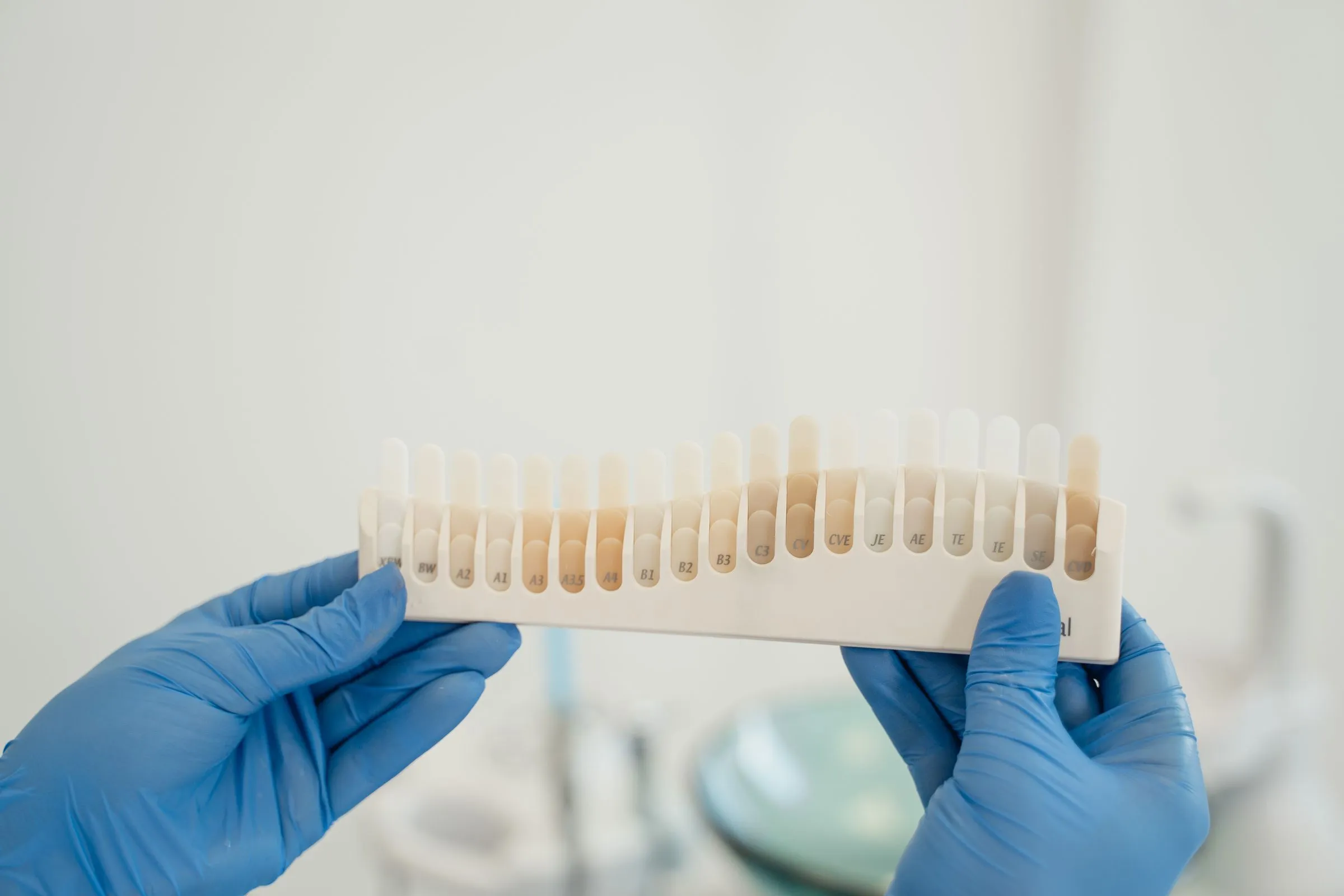 Fillings and crowns Tooth-colored repairs for cavities, cracks, and worn-out old fillings.
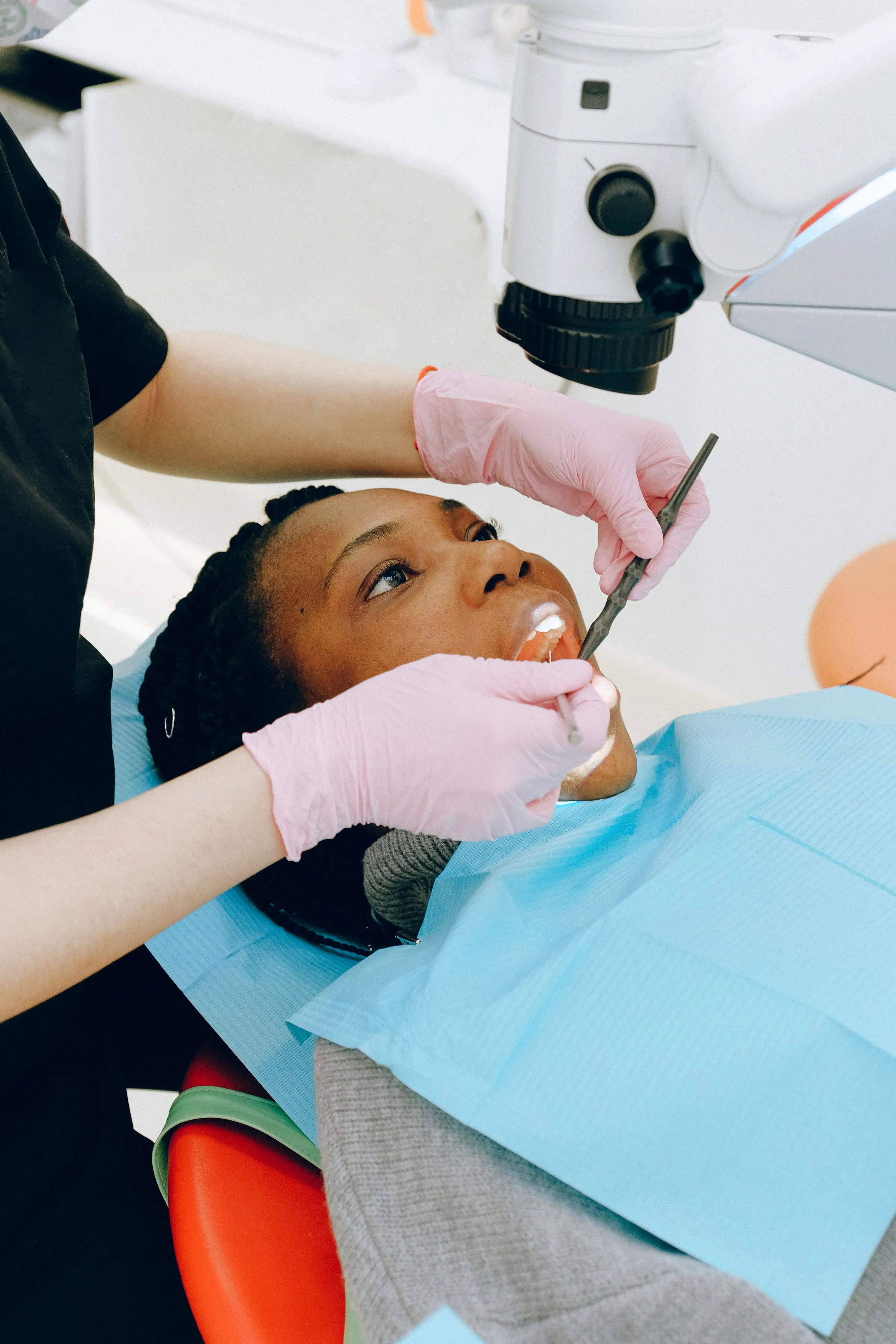 Checkups and cleanings A careful look, a thorough clean, and a plain-English summary of what we found.
Ready to talk it through?
Book a visit and we’ll explain your options, with costs, before anything starts.
Book an appointment