Fillings and crowns
Tooth-colored fillings and crowns, explained before we start
When a tooth has decay, a crack, or an old filling that’s worn out, the aim is to make it comfortable and strong again while keeping as much of your natural tooth as possible.
You might need a filling or crown if
- A tooth hurts when you bite, or with hot, cold, or sweet food
- You can feel a hole, a rough edge, or a chipped corner
- An old filling has cracked, darkened, or fallen out
- A tooth has had root canal treatment and needs protecting
Matching your smile
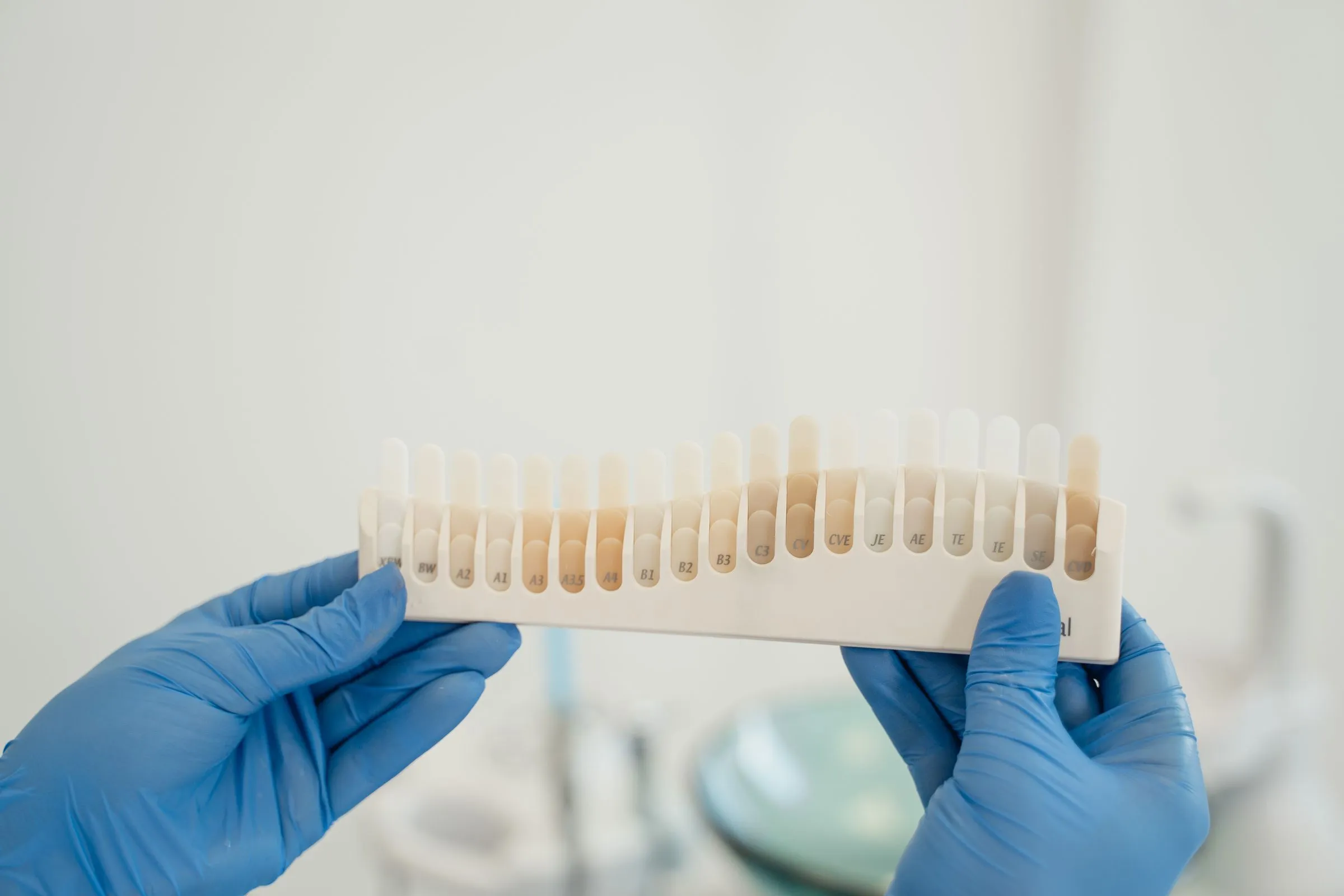
Tooth-colored fillings and crowns are shade-matched to the teeth around them, so the repair blends in. Most people won’t be able to tell which tooth was treated.
How a repair works
- 1
We look and explain
We examine the tooth, take an X-ray if needed, and show you what we see. You’ll know the options, the likely number of visits, and the cost.
- 2
We numb the area
The tooth is numbed first, so you should feel pressure but not pain. Raise your hand at any point and we’ll stop.
- 3
A filling, in one visit
For small and medium cavities, we remove the decay and rebuild the tooth with a tooth-colored filling that’s shaped and polished to match your bite.
- 4
A crown, usually in two visits
For a tooth that’s heavily filled or cracked, a crown covers and protects it. We shape the tooth and fit a temporary, then fit your permanent crown when it’s made.
Cost
What fillings and crowns cost
Every price is confirmed with you before treatment starts. We work with [INSURANCE ACCEPTED], and offer [PAYMENT OPTIONS].
Book an appointment- Tooth-colored filling
- [PRICE]
- Crown
- [PRICE]
Questions people ask about fillings and crowns
Will I feel it?
We numb the tooth before we begin, so you should feel pressure and vibration but not pain. If anything feels sharp, tell us and we’ll stop and top up.
How long do fillings and crowns last?
It depends on their size, the material, and how you look after them. Good brushing, flossing, and regular checkups help them last as long as possible.
Can I eat afterwards?
Wait until the numbness wears off so you don’t bite your cheek. With a temporary crown, avoid very sticky or hard food on that side until your permanent one is fitted.
Related treatments
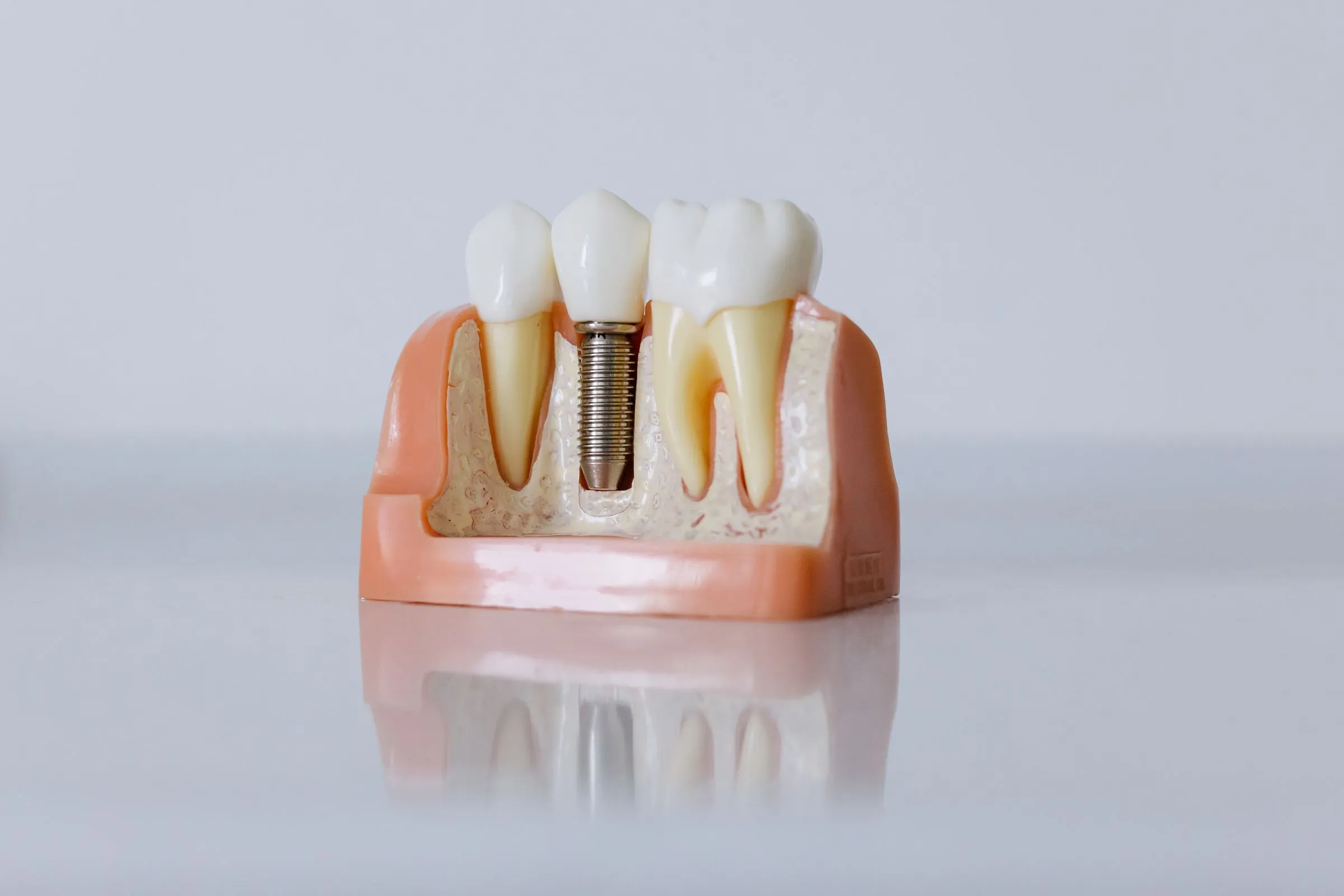 Dental implants A long-term replacement for a missing tooth, from the root up.
 Checkups and cleanings A careful look, a thorough clean, and a plain-English summary of what we found.
Ready to talk it through?
Book a visit and we’ll explain your options, with costs, before anything starts.
Book an appointment